Why Cars Are Often Rejected By Wreckers In Albury – Common Issues Explained
Many people assume that any unwanted vehicle can be sold to an auto wrecker without issue. While wreckers often accept a wide range of vehicles, there are situations where a car may be declined or require further assessment before it can be purchased. Understanding the reasons behind these decisions can help vehicle owners prepare their cars properly and avoid unexpected complications.
For those researching
car wreckers in Albury, it is useful to understand that wreckers evaluate vehicles based on several factors, including condition, salvage potential, ownership documentation and market demand for parts. Not every vehicle offers the same value from a dismantling or recycling perspective, which is why some cars are accepted immediately while others may be rejected.
Why Auto Wreckers Assess Vehicles Before Acceptance
Auto wreckers do more than simply collect unwanted cars. Vehicles are often dismantled so usable parts can be recovered, recycled or resold. The remaining materials may then be processed through recycling channels.
Because of this, wreckers typically assess:
- The condition of major components
- The availability of reusable parts
- The vehicle's overall salvage value
- Ownership and legal documentation
- The cost of transport and processing
If the costs involved outweigh the potential value of the vehicle, a wrecker may decide not to accept it.
Severe Accident Damage
One of the most common reasons vehicles are rejected is extensive accident damage. While many damaged cars can still provide salvageable parts, some collisions leave very little usable material behind.
Issues that may affect acceptance include:
- Major structural damage
- Crushed engine bays
- Significant fire damage
- Severe chassis distortion
- Multiple impacted areas
In these situations, dismantling and processing costs may exceed the value of any recoverable components.
For car wreckers in Albury, the condition of key components often determines whether a damaged vehicle remains commercially viable.
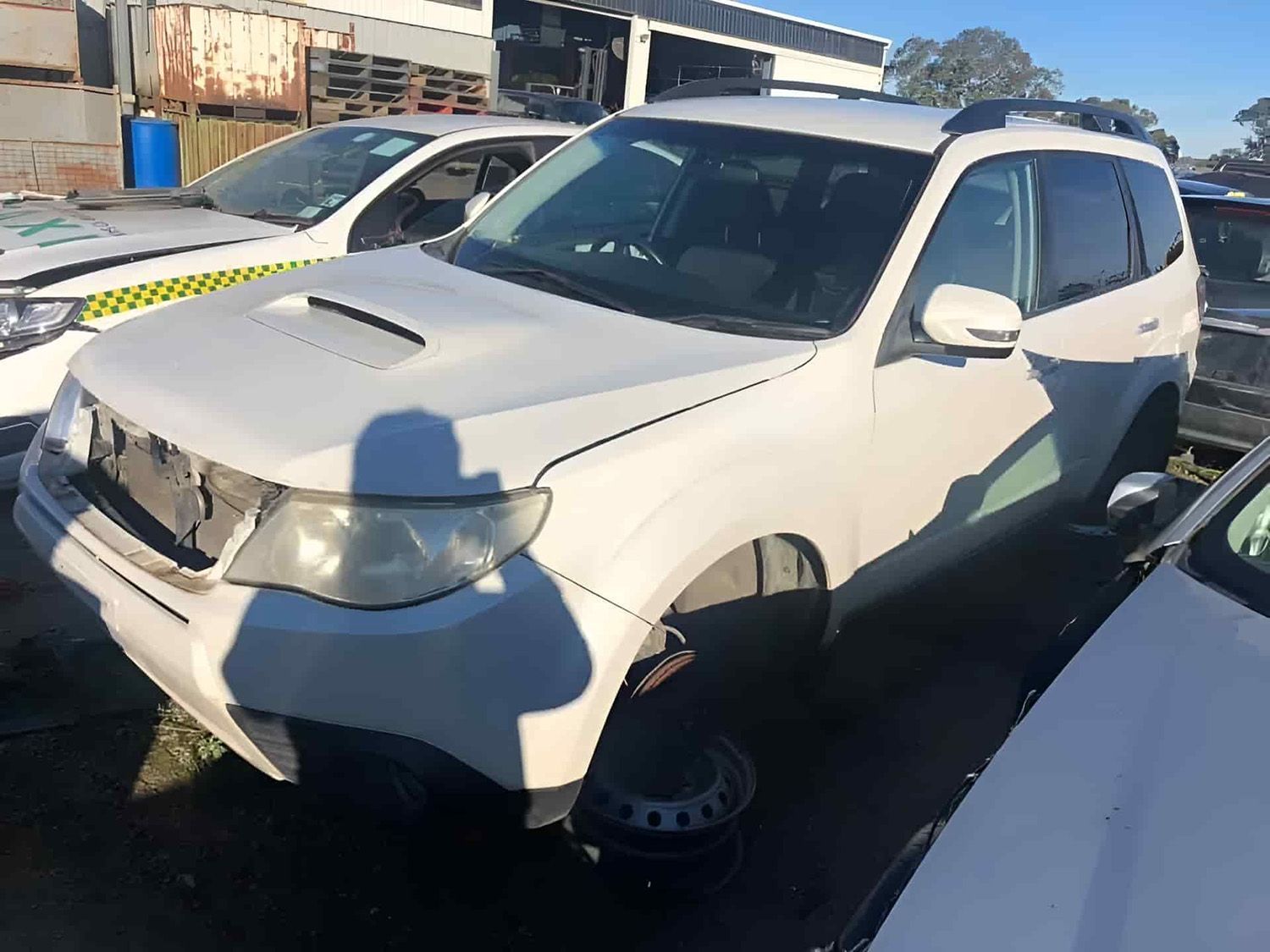
Missing Major Components
Some owners remove valuable parts before attempting to sell a vehicle to a wrecker. While this may seem practical, it can significantly reduce the vehicle's salvage value.
Common missing components include:
- Engines
- Transmissions
- Catalytic converters
- Wheels and tyres
- Electronic modules
- Body panels
When too many major components are missing, there may be little remaining value for the wrecker to recover.
Vehicles With No Usable Parts Remaining
Age alone does not necessarily make a vehicle unsuitable for wrecking. Many older vehicles contain valuable components that can still be reused. However, some cars have deteriorated to the point where very few parts remain serviceable.
Factors that may reduce salvage potential include:
- Extensive rust
- Water damage
- Long-term neglect
- Severe corrosion
- Missing interior components
In these cases, recycling costs may outweigh any potential return from the vehicle.
Non-Running Vehicles Can Still Be Accepted – Sometimes
Many people assume a non-running vehicle will automatically be rejected. In reality, many wreckers regularly purchase cars that no longer start or drive.
However, acceptance may depend on factors such as:
- The cause of the mechanical failure
- Demand for replacement parts
- Vehicle make and model
- Overall condition of the body and interior
A non-running vehicle with desirable parts may still hold value, while a heavily damaged non-runner may be less attractive.
Extensive Rust and Corrosion
Rust is a major issue for vehicle recyclers because it affects both safety and parts quality.
Areas commonly affected include:
- Chassis rails
- Suspension mounting points
- Floor pans
- Door frames
- Roof structures
If corrosion has spread extensively throughout the vehicle, many components may no longer be suitable for reuse.
For car wreckers in Albury, severe rust can significantly reduce the resale value of salvageable parts.
Fire-Damaged Vehicles
Fire damage creates challenges beyond visible burn marks. Heat can affect structural integrity, wiring systems, plastics and electronic components throughout the vehicle.
Potential concerns include:
- Melted wiring harnesses
- Damaged control modules
- Structural weakening
- Smoke contamination
- Heat-related mechanical damage
While some fire-damaged vehicles may still contain salvageable components, extensive fire damage often reduces the overall value considerably.
Ownership Documentation Problems
Vehicle condition is not the only factor considered by wreckers. Documentation and ownership verification are equally important.
A vehicle may be rejected if:
- Ownership cannot be verified
- Identification details do not match records
- Required paperwork is missing
- There are disputes regarding ownership
Most reputable wreckers require proof that the seller has legal authority to dispose of the vehicle.
Registration Issues
Registration status alone does not necessarily prevent a vehicle from being accepted. Many unregistered vehicles are purchased by wreckers every day.
However, complications can arise if:
- Ownership records are incomplete
- Registration details are inconsistent
- Vehicle identification numbers are missing
- Legal ownership cannot be confirmed
Providing accurate documentation can help simplify the assessment process.
Vehicles With Outstanding Financial Interests
In some situations, a vehicle may have finance or other legal interests attached to it.
This can create complications because:
- Ownership may not be fully transferable
- The seller may not have authority to dispose of the vehicle
- Additional verification may be required
Before selling a vehicle, it is generally worthwhile confirming that all ownership and finance matters have been resolved.
Rare or Unusual Vehicles
Interestingly, some rare vehicles can be difficult for wreckers to assess. While uncommon models may appear valuable, limited demand for replacement parts can sometimes affect their attractiveness from a salvage perspective.
Factors considered include:
- Availability of replacement parts
- Demand within the local market
- Storage requirements
- Processing costs
Not every uncommon vehicle automatically commands a higher salvage value.
Environmental Compliance Considerations
Vehicle dismantling involves environmental responsibilities, including the handling of fluids, batteries and hazardous materials.
Certain issues can complicate processing, such as:
- Contaminated vehicles
- Chemical exposure
- Unsafe storage conditions
- Significant environmental damage
These situations may require additional handling procedures before the vehicle can be processed.
How Vehicle Owners Can Improve Their Chances of Acceptance
While some factors cannot be changed, there are several steps owners can take before contacting a wrecker.
Helpful preparations may include:
- Gathering ownership documents
- Providing accurate vehicle details
- Listing known damage honestly
- Removing personal belongings
- Confirming vehicle identification information
Accurate information allows the wrecker to assess the vehicle more efficiently and determine whether it is suitable for purchase.
Why Honest Information Matters
Some sellers worry that disclosing damage will reduce their chances of selling a vehicle. In reality, providing accurate information often makes the process smoother.
Important details may include:
- Accident history
- Missing parts
- Mechanical issues
- Registration status
- Known structural damage
This allows wreckers to assess the vehicle properly before arranging collection or inspection.
Understanding the Assessment Process
Every vehicle is different, and auto wreckers typically evaluate each one individually. While some vehicles may not meet the requirements for dismantling or recycling, many others can still provide valuable parts and materials even if they are no longer roadworthy.
At Twin City Auto Dismantlers, we assist vehicle owners exploring options with car wreckers in Albury. Whether a vehicle has mechanical issues, accident damage or is simply no longer required, understanding the factors that influence acceptance can help owners prepare the necessary information and make the process more straightforward.