How Different Car Materials Are Separated During Recycling Processes
Car recycling involves much more than crushing an old vehicle for scrap. Professional car wreckers in Albury carefully separate metals, plastics, rubber and reusable parts to recover valuable materials and safely manage hazardous waste.
From draining fluids to separating steel and aluminium, each stage helps reduce landfill waste and return useful materials to manufacturing. Understanding how this works reveals what happens to a vehicle after it reaches the end of its working life.
What Happens When a Car Reaches the End of Its Life?
When a vehicle becomes too damaged, unreliable or uneconomical to repair, it may enter the automotive recycling process, and rather than treating the entire vehicle as waste, auto dismantlers identify which components can be reused, recycled or require specialist disposal.
The process generally follows several stages:
- Depollution: Removing hazardous fluids, batteries and other potentially dangerous materials.
- Parts recovery: Salvaging engines, transmissions, electrical components and other reusable parts.
- Vehicle processing: Preparing the remaining body and structure for shredding or metal recovery.
- Material separation: Sorting steel, aluminium, copper and other metals using specialised equipment.
- Residual recycling: Recovering suitable plastics, glass and rubber where recycling facilities are available.
Not every vehicle follows exactly the same process. Its condition, construction and available recycling infrastructure influence which materials can be recovered.
Depollution: Safely Removing Fuel, Oil, Coolant and Other Fluids
Depollution is the first major stage of vehicle recycling. Before dismantling or crushing begins, operators remove substances that could contaminate other materials or create environmental and safety risks.
What Fluids Must Be Removed Before Recycling?
Vehicles contain several fluids requiring controlled handling, including:
- Petrol and diesel: Remaining fuel must be drained and stored safely because of fire and contamination risks.
- Engine and transmission oil: Used lubricants require appropriate collection and recycling or disposal.
- Coolant: Antifreeze mixtures can contain chemicals harmful to people, animals and waterways.
- Brake and power steering fluids: These fluids require careful handling to prevent contamination.
- Air-conditioning refrigerants: Refrigerants must be recovered using suitable equipment and procedures.
Operators also address batteries, airbags and other hazardous components before further processing.
Why Is Depollution Important?
Removing hazardous substances protects workers, reduces environmental risks and prevents contamination during material recovery. For example, crushing a vehicle with fuel or oil still inside could release liquids into the processing area and contaminate otherwise recyclable materials. Proper depollution allows dismantlers to process the remaining vehicle more safely while directing collected fluids towards appropriate recycling or disposal services.
Salvaging Engines, Transmissions, Batteries and Catalytic Converters
After depollution, dismantlers identify components that still have practical or recycling value. Reusing a working part can extend its service life and reduce demand for newly manufactured replacements.
Which Car Parts Can Be Reused?
Depending on their condition, dismantlers may recover:
- Engines and transmissions: Functional assemblies may be suitable for resale or rebuilding.
- Alternators and starter motors: Electrical components can be tested and reused where appropriate.
- Doors, panels and mirrors: Undamaged body parts may help repair other vehicles.
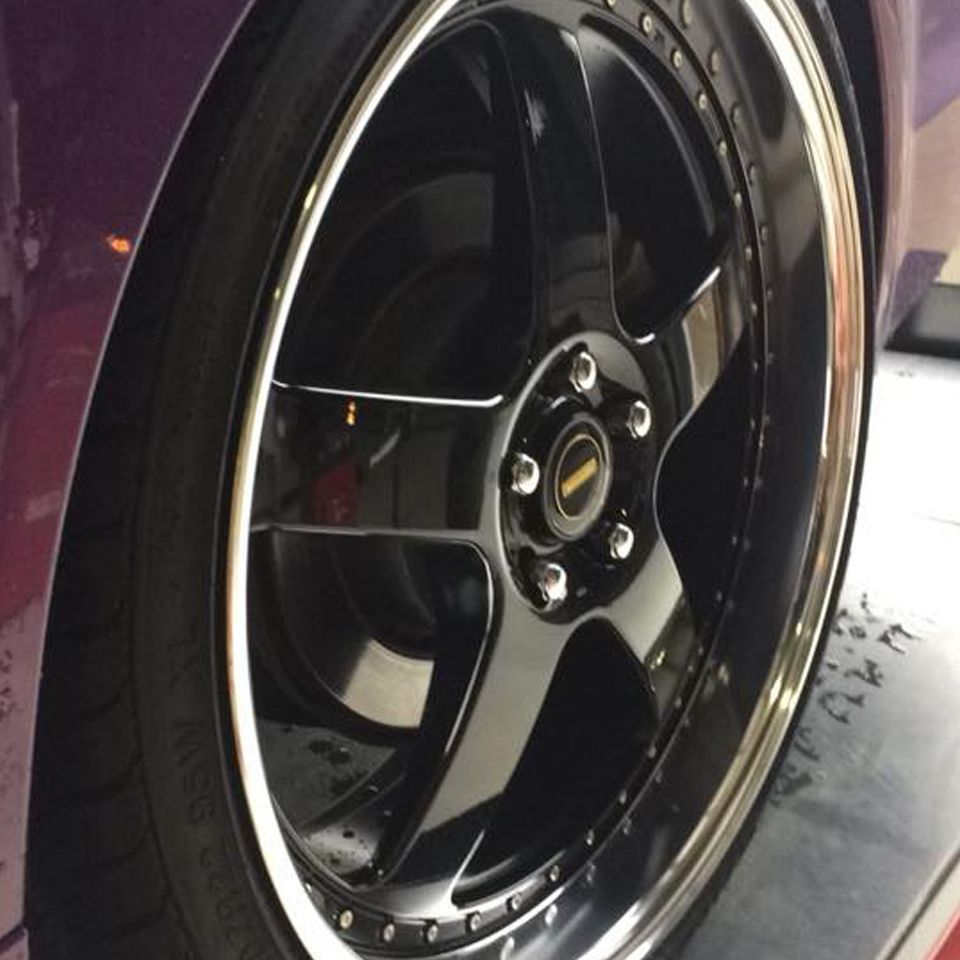
- Wheels and suspension components: Suitable parts may be recovered for resale.
- Batteries: Conventional lead-acid batteries can enter specialist recycling streams, while electric vehicle batteries require dedicated assessment and handling.
Parts intended for resale should be assessed for condition, compatibility and safety. For mechanics and vehicle owners, buying used car parts from auto wreckers can provide an alternative to purchasing new components.
How Are Catalytic Converters Recycled?
Vehicle
catalytic converters contain small quantities of valuable metals, including platinum, palladium and rhodium. Specialist recyclers process the converter's internal material to recover these metals for reuse in industrial applications. Because recovery requires specialised equipment and refining processes, catalytic converters are generally directed towards dedicated recycling facilities rather than ordinary scrap metal processing.
How Steel, Aluminium and Copper Are Separated
Once reusable components and hazardous materials have been removed, the remaining vehicle structure can enter metal recovery. This stage is particularly important because vehicles contain different metals that must be separated to produce useful recycled materials.
How Does Vehicle Shredding Work?
Industrial shredders break vehicle bodies and remaining components into smaller fragments. Shredding makes it easier to separate materials that were previously joined together, including metal panels, wiring and mixed automotive components. The resulting material passes through sorting equipment designed to recover different metal types.
How Do Magnets Separate Steel?
Steel contains iron, making it suitable for magnetic separation. Powerful magnets lift ferrous metal fragments away from non-magnetic materials such as aluminium, copper and many plastics. Recovered steel can then be processed by metal recyclers and supplied to steelmaking facilities. This is a major part of
scrap metal recycling, helping return automotive metals to productive use.
How Are Aluminium and Copper Recovered?
Non-ferrous metals require different separation methods.
Eddy current separators use changing magnetic fields to create forces that eject conductive non-ferrous metals, particularly aluminium, from mixed material streams. Copper may be recovered from wiring, motors and other components through dismantling, shredding and further sorting. Density-based separation can also help distinguish materials according to their physical properties. Depending on the facility, equipment may use air, water-based systems or other specialised sorting technologies. Additional sorting improves material purity before metals are sent for further processing.
What Happens to Plastics, Glass and Rubber?
Not every vehicle component is made from metal. Modern cars also contain substantial amounts of plastics, glass, rubber and composite materials. These materials can be more challenging to recycle because they often contain mixed substances or are bonded to other components.
How Are Automotive Plastics Recycled?
Bumpers, dashboards, interior trims and other components may contain different plastic polymers. Where practical, recyclers separate suitable plastics by type before cleaning, shredding and processing them into recycled material. However, mixed plastics, coatings and attached materials can complicate recovery. Some automotive plastics cannot be economically recycled through available facilities.
Can Windscreens and Tyres Be Recycled?
Automotive glass can enter specialist recycling processes, although laminated windscreens require separation of their glass layers and plastic interlayer. Tyres are typically handled through dedicated recycling systems. Processing may involve shredding and separating rubber from embedded steel and textile reinforcement. Recovered rubber can be used in suitable products and applications, depending on material quality and processing requirements. Materials without viable recycling pathways may require appropriate disposal.
How Car Recycling Supports a Circular Economy
A circular economy aims to keep materials and products in use rather than continually relying on new resources. Vehicle recycling contributes by recovering reusable parts and returning suitable raw materials to manufacturing.
Why Is Recycling Car Materials Beneficial?
Automotive recycling supports resource recovery in several ways:
- Reducing demand for virgin materials: Recycled metals can replace some newly extracted resources.
- Extending component life: Reusable engines, transmissions and body parts can remain in service.
- Reducing landfill waste: Recoverable materials are diverted from general disposal.
- Supporting manufacturing: Recovered steel, aluminium and copper can enter new production cycles.
- Managing hazardous waste: Controlled depollution reduces contamination risks.
For example, aluminium recovered from an old vehicle may be processed into recycled metal for future manufacturing, while a serviceable transmission could be installed in another compatible vehicle.
Not every material can be recovered, but effective dismantling and sorting improve the opportunity to reuse valuable resources.
Why Choose Twin City Auto Dismantlers as Your Car Wreckers in Albury?
Choosing an experienced automotive dismantler helps ensure unwanted vehicles and recoverable components enter appropriate processing channels. Twin City Auto Dismantlers provides automotive dismantling and recycling-related services for vehicle owners in the Albury Wodonga region. Whether you have a damaged vehicle, need replacement components or want to understand your recycling options, working with established car wreckers Albury gives you a practical starting point.
For owners arranging
car removal Albury, professional dismantling provides an alternative to leaving an unwanted vehicle unused. Through careful dismantling, parts recovery and material separation, vehicle recycling gives old cars a useful purpose beyond their time on the road. Recovering reusable components and recyclable materials helps conserve resources, reduce waste and support more sustainable automotive practices. If you have an unwanted, damaged or end-of-life vehicle,
contact Twin City Auto Dismantlers to discuss your options.
Get in touch with us to enquire about vehicle dismantling, recycling or a quote.
Frequently Asked Questions