What Car Faults Cause Delays When Selling To Wreckers Near Me
Selling an unwanted vehicle to a wrecker can be straightforward, even when the car no longer runs. However, certain mechanical faults, missing components, severe accident damage or unclear vehicle details can slow down assessment and collection. If you’re looking for car wreckers Albury vehicle owners can approach, providing accurate information about the car upfront can help avoid unnecessary delays.
Twin City Auto Dismantlers assesses vehicles in Albury and surrounding areas based on their condition, components and salvage potential. Understanding which faults may require additional information or inspection can make the selling process easier.
What Car Faults Can Delay a Wrecker's Assessment?
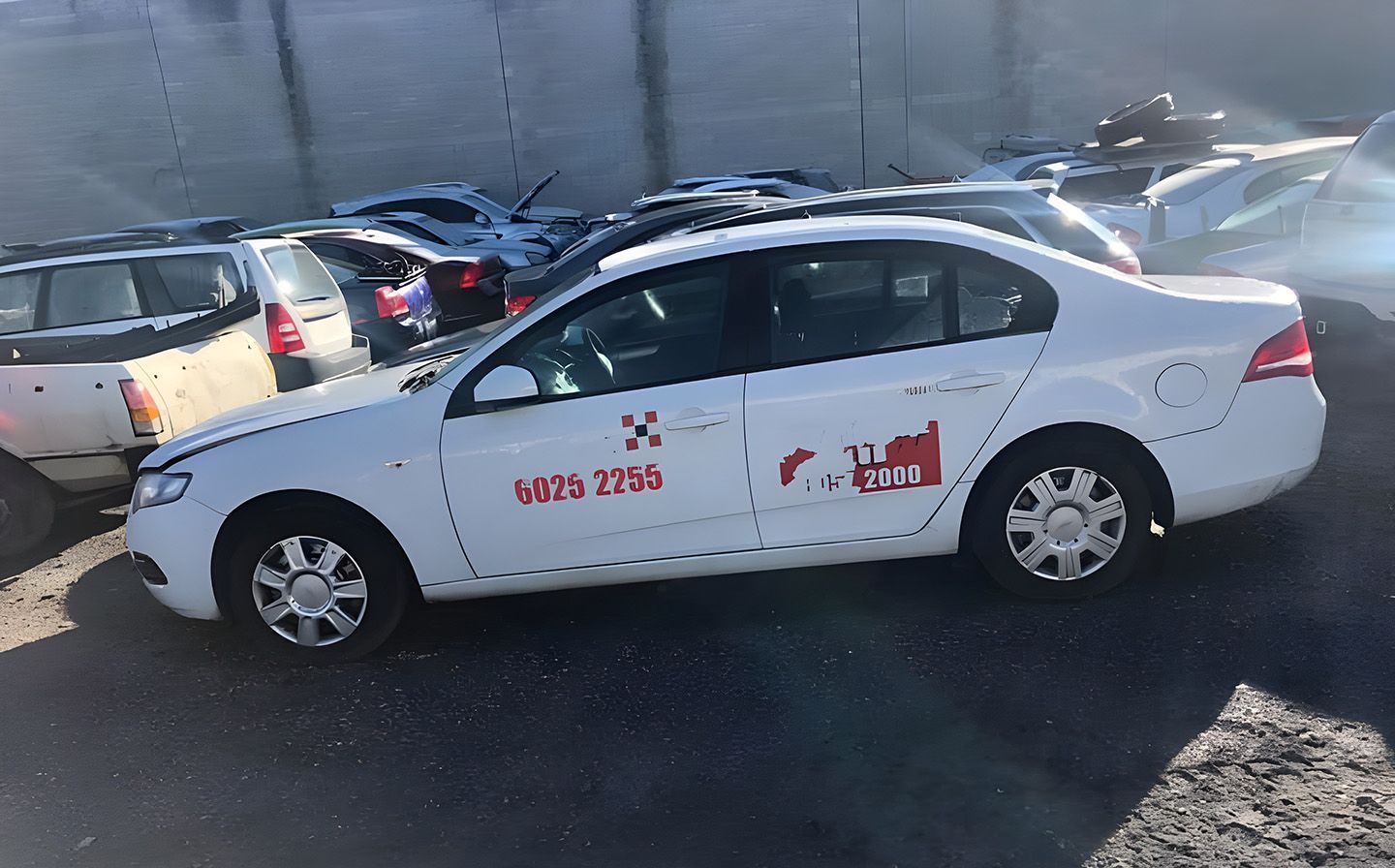
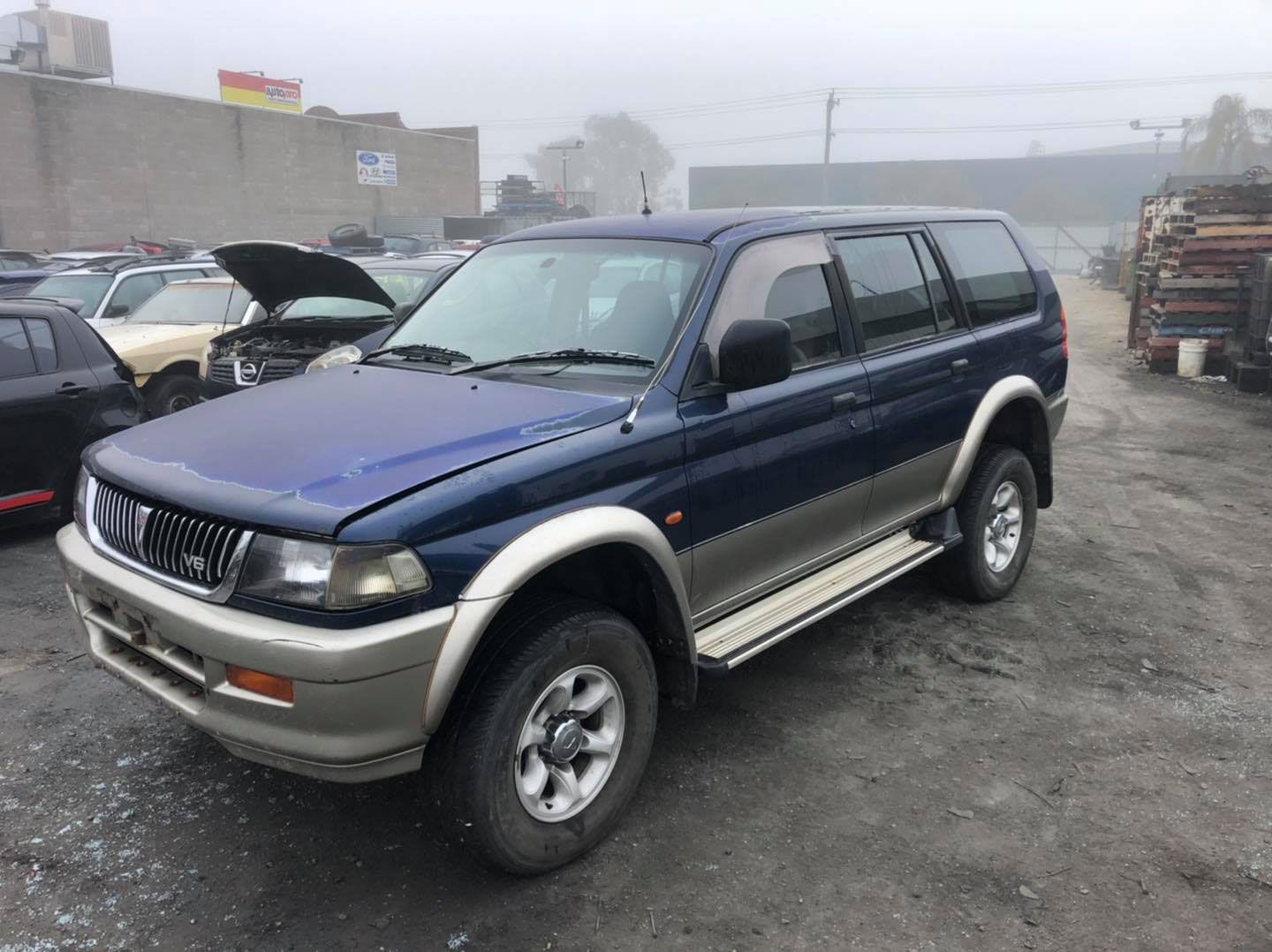
A fault does not automatically prevent a wrecker from accepting a vehicle. After all, damaged, old and non-running cars are a normal part of the auto dismantling industry.
Delays are more likely when the vehicle's actual condition differs significantly from the information supplied. Common examples include major engine failure, extensive accident damage, missing parts or a vehicle that cannot be accessed safely for collection.
Giving the wrecker the make, model, year and an accurate description of the vehicle's condition helps them determine what is involved before arranging the next step.
How Can Mechanical Problems Affect Selling a Car to Wreckers in Albury?
Mechanical problems can influence how a vehicle needs to be assessed, moved and collected. A car with a minor mechanical fault presents a different situation from one with a seized engine, damaged transmission or wheels that cannot rotate.
Issues worth mentioning include:
- Engine failure or major internal engine damage
- Transmission or driveline problems
- Electrical faults that prevent the vehicle from starting
- Steering or suspension damage
- Damaged brakes
- Overheating or cooling-system problems
- Missing mechanical components
The important point is accuracy. If a vehicle has a known mechanical problem, describe it when requesting an assessment rather than simply saying the car is "not running".
For example, imagine a tradie has a work ute with a failed engine sitting at a job site. Explaining that the engine does not run but the ute still rolls and steers gives the wrecker much more useful information for assessing and planning collection than stating only that the ute is broken down.
Do Engine Problems Prevent Car Wreckers From Taking a Vehicle?
An engine problem does not necessarily mean a vehicle cannot be sold to a wrecker. Vehicles reach dismantlers in many conditions, including cars with engines that will not start or are no longer economical to repair.
What matters is understanding the extent of the problem. A flat battery, for example, creates a very different collection situation from catastrophic engine damage or an engine that has already been removed.
If you know what caused the vehicle to stop running, tell the wrecker. If you don't know, explain the symptoms instead, such as whether the engine turns over, whether the vehicle has been sitting unused or whether it stopped after overheating.
Why Can a Non-Running Vehicle Take Longer to Collect?
A non-running car may require additional collection planning because it cannot simply be driven into an accessible position.
The wrecker may need to know whether the vehicle:
- Rolls freely
- Steers normally
- Has functioning or seized brakes
- Has all four wheels and tyres
- Is parked on a slope or difficult surface
- Is inside a garage, paddock or restricted-access area
- Can be reached safely by suitable collection equipment
Accessibility can be just as important as the mechanical fault itself. A non-running sedan parked on a level driveway may be relatively straightforward to access, while an immobile vehicle behind another car or on soft ground can require additional planning.
Providing these details before collection allows
auto wreckers Albury sellers contact to understand the situation rather than discovering an access problem on arrival.
How Does Accident or Structural Damage Affect the Process?
Severe accident damage can require closer assessment because it may affect the vehicle's structure, components and ability to be safely moved.
Damage around the suspension, wheels, chassis or body can be particularly relevant. A heavily damaged wheel or suspension assembly may stop a vehicle from rolling, while extensive body deformation can affect access to components.
If the vehicle has been involved in a significant collision, provide clear details about the damaged areas. Photos may also help the wrecker understand the condition before collection where requested.
According to industry best practice, sellers should avoid attempting to move or dismantle a severely damaged vehicle themselves when its condition makes doing so unsafe.
Can Missing Car Parts Cause Delays?
Yes. Missing parts can affect an assessment, particularly when the wrecker expects a substantially complete vehicle based on the seller's original description.
Cars awaiting disposal sometimes have valuable or useful components removed beforehand. Engines, transmissions, catalytic converters, wheels, batteries and body panels are examples of components that may affect the vehicle's condition and salvage value.
Tell the wrecker about major missing parts when making the initial enquiry. This gives them a more accurate picture of what they are assessing and reduces the chance of details needing to be reconsidered later.
What Information Should You Give Car Wreckers in Albury?
Preparing basic information before contacting a wrecker can make the initial assessment more efficient. You don't need to diagnose every mechanical problem, but you should describe what you know accurately.
Useful information includes:
- The vehicle's make, model and year.
- Whether the vehicle starts and drives.
- Known engine, transmission or mechanical faults.
- Major accident or structural damage.
- Any significant missing components.
- Whether all wheels are fitted and able to roll.
- Where the vehicle is located and how accessible it is.
- Any other relevant details requested during the assessment.
If you are unsure about a fault, say so. An accurate description of the symptoms is more useful than guessing at the cause.
How Can You Avoid Delays When Selling Your Car to a Wrecker?
The simplest way to reduce avoidable delays is to disclose the vehicle's condition from the beginning. Don't wait until collection to mention that the engine has been removed, a wheel is missing or the vehicle cannot be accessed easily.
It can also help to inspect the vehicle before making your enquiry. Check whether it rolls, identify obvious missing components and note major areas of damage.
For fleet operators or tradies disposing of several vehicles, prepare the details for each vehicle separately. One van may be driveable while another has major mechanical damage, so treating the entire group as being in the same condition can create confusion during assessment and collection planning.
Which Car Faults Should You Mention Before Selling to a Wrecker?
Mention any fault that substantially affects the vehicle's condition, completeness, mobility or accessibility. Engine and transmission failures, severe accident damage, damaged suspension, missing wheels or major removed components are particularly useful details to provide.
A faulty car doesn't necessarily need to become a complicated sale. Clear information gives the wrecker a better understanding of the vehicle before collection arrangements are made.
If you're looking for car wreckers Albury vehicle owners can contact about an unwanted, damaged or non-running car,
Twin City Auto Dismantlers can discuss the vehicle's condition and the information needed for assessment.
Contact the team with your vehicle details, known faults and location so they can explain the next steps.
Frequently Asked Questions